
Weaning Wisdom
and Fussy Eaters.

Weaning Wisdom
Aveen Bannon
Weaning your baby onto solid foods is a big and exciting step in their growth. Congratulations on reaching this milestone! Many parents have questions at this stage, so Consultant Dietitian Aveen Bannon created this guide with Glenisk to help answer them. Although Glenisk is a partner, all advice here is based on evidence and is brand-neutral, focusing on what’s best for your baby.
When Do I Start?
Introducing solids into your baby’s diet is a vital step to ensure all their nutritional needs are met and support adequate growth and development. For most babies, the ideal time to begin weaning is around 6 months (26 weeks). Weaning should not commence before 4 months (17 weeks) and should not be delayed beyond 6 months. This “window of opportunity” allows babies to experience a variety of foods, tastes, textures, and flavours, which is important for both nutrition and the development of their sensory and oral-motor skills.
Weaning is a brand new experience for your baby. Sucking comes naturally, but eating solids is a skill they need to learn. Pick a time of day when you can focus fully, like midday when your baby is usually rested and alert. Feeding your baby at the same time each day can help set a routine. To make things easier, give your baby some milk before solids so they aren’t too hungry and can enjoy trying new foods.

Developmental Signs Indicating Your Baby is Ready to Start Weaning
Your baby is ready to start solids when:
- The most important signs your baby is ready for solids are good head, neck, and trunk control. Your baby should be able to sit upright with little support. A highchair that lets them sit with their hips, knees, and ankles at right angles is best. Make sure their feet are supported, not dangling. This stable position helps with safe swallowing, less gagging, better chewing, and easier digestion. It also helps your baby feel secure and supports learning to feed themselves.
- Showing interest in food: If your baby is watching you eat or trying to grab food, they might be ready for solids.
- Baby picking up objects and mouthing them. Demonstrates good hand-eye coordination and behavioural readiness.
- Still hungry after milk feeds: If your baby seems irritable or unsatisfied after a milk feed for about a week, they may need more food.
- Demanding more frequent feeds over a period of time (more than one week).
What Will I Start With?
Baby Led Weaning vs. Spoon-Feeding: Which Approach is Best?
In Ireland, there is no formal public health recommendation on whether to pursue baby-led weaning or traditional spoon-feeding. Some parents choose a combination approach, offering purees alongside finger foods from the beginning to give their baby the opportunity to explore both textures and learn both skills!
Baby-led weaning (BLW) is an approach to introducing solids in which babies are encouraged to feed themselves rather than being spoon-fed purees. Instead of starting with mashed foods, BLW allows babies to explore whole foods in their natural form from the very start. The goal is for the baby to learn to self-feed by picking up food and eating it. This method can be introduced from 6 months or more, never before.


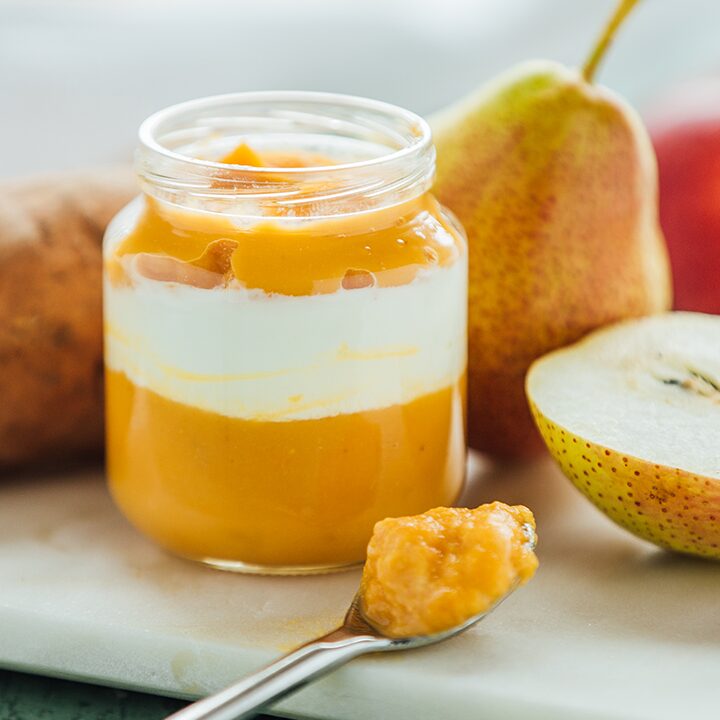
With Traditional Spoon-Feeding, start with simple, single-flavour purees of fruits or vegetables. Babies are born with an innate liking for sweet flavours; therefore, by trying vegetables first, it can increase the acceptance of these flavours later on. Avoid adding butter, salt or sugar. The consistency should be thin to start, thickening as your baby gets used to eating from a spoon. Introduce one new food every 2-3 days to monitor for potential allergies. Traditional weaning can be introduced between 17 and 24 weeks.
As you continue with traditional weaning, start offering minced or mashed foods. By 7 to 8 months, your baby will probably be able to pick up food using their thumb and forefinger, known as the pincer grasp. This is a good time to introduce finger foods and encourage self-feeding. Offer soft foods like banana slices, toast fingers, baby rusks, or cheese cut into sticks. Finger foods should be long and stick-shaped, about the size of an adult finger. Expect a mess; it’s a normal part of learning to eat!
By 12 months, your baby should be eating a similar diet to the rest of the family, but in smaller portions.
The Benefits of Baby-Led Weaning
- Encourages Independence: BLW helps babies become independent early on. They learn to control their hunger by deciding how much to eat, which can support a healthy relationship with food.
- Develops Oral Skills: BLW lets babies practice chewing and moving food in their mouths from the start. This helps build strong oral-motor skills as they learn at their own pace.
- Encourages Exploration of Flavours and Textures: Babies who try many textures and flavours are more likely to enjoy different foods and be less picky as they grow. This also helps them become more aware of food through their senses.
- Improves Hand-Eye Coordination: Picking up food and bringing it to their mouths helps babies develop fine motor skills and hand-eye coordination early.

What Foods Should You Offer in BLW?
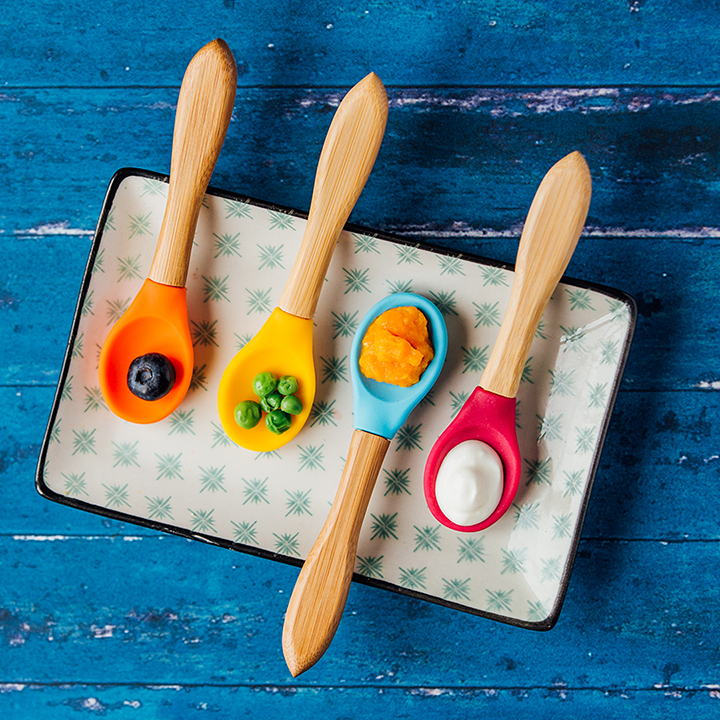
With BLW, offer your baby soft, easy-to-hold pieces of food. Start with foods that can be mashed with a fork. As your baby gets better at eating, you can try slightly firmer finger foods. Here are some good options for baby-led weaning:
- Soft fruits: Banana slices, avocado wedges, or cooked apple slices.
- Vegetables: Steamed sticks of carrot, sweet potato, broccoli, or parsnip.
- Soft breadsticks, small pieces of toast, or rice cakes.
- Cheese: Soft cheese slices or grated cheese (cheddar or mild cheese works well).
- Meat and Fish: Shredded chicken, fish fillets (boneless), or well-cooked minced meat in small pieces.
- Eggs: Scrambled eggs or omelettes cut into strips or small pieces.
Tip: Cut foods into sizes your baby can hold and make sure they are soft enough to avoid choking. Foods should be easy to pick up with the pincer grasp and soft enough for babies to gum and swallow. You can test this by squeezing the food between your fingers, like a baby’s gums would.
The Challenges of Baby-Led Weaning
While BLW can be a rewarding experience for both parents and babies, there are some challenges to be aware of:
- Safety Concerns: Many parents worry about choking with BLW. Gagging is a loud, protective reflex that helps keep babies safe by moving food forward in the mouth. Choking is silent and needs immediate help because the airway is blocked. Always cut foods into safe, soft pieces and watch your baby closely while they eat. Avoid foods that are too small or hard to chew.
- Messy Meals: BLW is often messy because babies feed themselves. Expect food to be dropped, smeared, or thrown. This is normal and part of learning, so try to enjoy the mess as your baby explores. It can be fun for them!
- Nutritional Adequacy: Some parents worry if babies get enough nutrients with BLW. With a balanced diet, your baby’s needs can be met, but it might take more planning. Make sure to include iron-rich foods like pureed meats, tofu, beans, and iron-fortified cereals at 2 to 3 meals each day for iron, zinc, omega-3, and other nutrients.
- Time & Patience: BLW takes more time and patience than spoon-feeding, since babies feed themselves and eat at their own pace.
What Foods Should Be Avoided Before 12 Months?
- Adding sugar or salt to foods.
- Honey: Avoid until 12 months due to the risk of botulism.
- Soft, unpasteurised cheeses (e.g. blue cheese, brie)
- Whole nuts: These are a choking hazard until age 5.
- Processed meats (e.g. ham, bacon, sausages) can be high in salt and additives.
- Liver: Contains too much vitamin A.
- Tea (including herbal): Contains tannins that reduce the absorption of key nutrients like iron and calcium.
- Avoid Sugary Drinks
What About Gluten and Allergens?
- Gluten can be introduced from 6 months, or even earlier (from 4 months), based on recent evidence that suggests introducing gluten does not increase the risk of developing coeliac disease. However, large amounts of gluten should be avoided in the early months after introduction. Start with a small amount (e.g. one serving twice a week) and gradually increase.
- Introducing allergens: The Irish Food Allergy Network (IFAN) recommends introducing foods such as peanuts, cow’s milk, eggs, fish, and tree nuts from 6 months of age, as early introduction may help reduce the risk of allergies. Cow’s milk can be introduced in small quantities mixed with food or as yoghurt, but should not be given as the main milk before 12 months. Nut butters should be smooth and sugar and salt-free. No whole nuts before the age of 5.
- One new food at a time: Introduce allergenic foods one at a time, allowing 3–5 days between new foods, so you can monitor for potential reactions. Once the allergen has been successfully introduced, keep it in your baby’s diet regularly (e.g. 2-3 times per week)
Top 10 Weaning Tips from Aveen
- Start with one food at a time and wait a few days before introducing another. Offer a variety of textures to encourage your baby’s oral and motor development and chewing skills.
- Start with soft, manageable foods, such as steamed vegetables, well-cooked shredded chicken, and soft fruits like banana or avocado slices.
- Be Patient: Give your baby plenty of time to explore food and don’t rush them. Make mealtimes a relaxed, fun family occasion.
- Babies need age-appropriate amounts of fibre to support healthy digestion. Fibre intake should increase gradually with age, with intakes of around 5 g per day by one year often considered appropriate. Excessively high fibre intakes in infancy may reduce energy intake and inhibit absorption of key minerals, including iron.
- Include Iron-Rich Foods: Iron is crucial for babies, especially from 6 months. Make sure you offer iron-rich foods like pureed meats, beans, and iron-fortified cereals, and pair them with vitamin C-rich foods (e.g. tomatoes, berries, broccoli) to help absorption.
- Create a routine, but be flexible when needed.
- Sit your baby upright during meals for safety and digestion.
- Offer a variety of fresh, whole foods to build diverse tastes.
- Avoid overly processed foods, added sugar, and salt.
- Always supervise your baby during mealtimes to avoid choking hazards.

New Flavours.
Now with Oats.
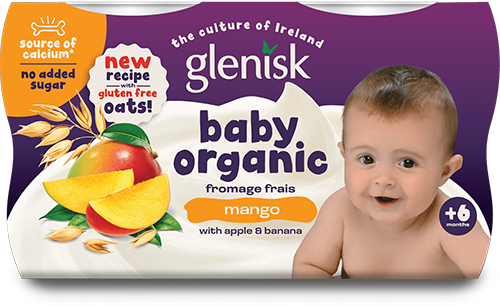
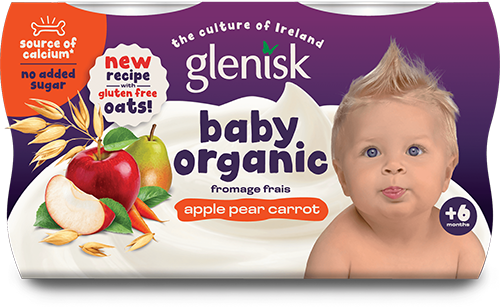
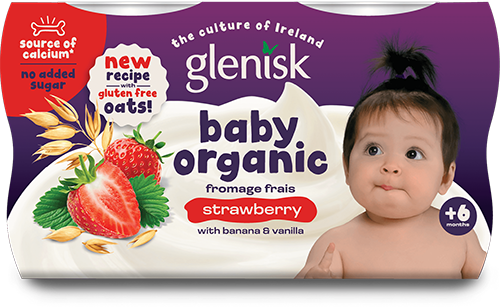
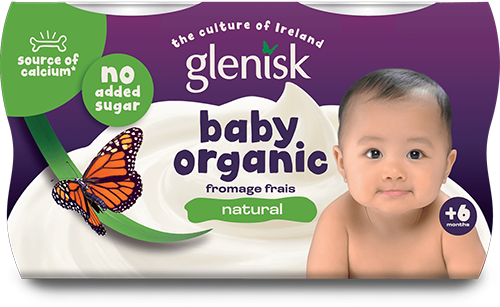
Thoughtfully crafted organic baby yogurts to support little explorers
from 6 months+ as they begin their weaning journey.
Creamy, gentle and delicious, our Organic Baby range
is made with organic milk and carefully chosen ingredients to
help introduce texture and variety, while staying kind to tiny tummies.